In the booming world of CBD products, marketers often use terms like "more pure and potent extract" to describe their offerings. But what do these phrases really mean? As a consumer health writer with nearly a decade covering wellness products and a penchant for scrutinizing Certificates of Analysis (COAs), I can tell you that understanding these claims requires an informed look behind the scenes — especially at cbd potency, cbd purity, and the extraction method. This article will unpack these concepts in real terms and help you make educated choices when shopping for CBD extracts.
Why Transparency Matters: Hemp Source and Growing Conditions
The journey to a pure and potent CBD extract begins long before extraction. It starts with the hemp source. Transparency about where the hemp is grown, how it is cultivated, and under what conditions is crucial to assessing quality.
Hemp Source Transparency
- Origin Disclosure: Reputable brands provide clear information about their hemp farms — often located in low-contamination regions such as the US, Canada, or Europe. Genetics: Specific hemp strains are bred for cannabinoid potency. Knowing the genetics assures you that the hemp is optimized for CBD content rather than fiber or seeds. Farm Practices: Organic or sustainable farming certifications can indicate minimal use of pesticides, herbicides, or chemical fertilizers.
Without transparent hemp sourcing, claims about purity and potency become suspect. From my notes, brands missing hemp source details are immediate red flags.
Clean Growing Conditions and Contamination Risk
Even the purest extraction process cannot purify hemp tainted by heavy metals, pesticides, or microbial contaminants. Third-party lab results are your best ally here.
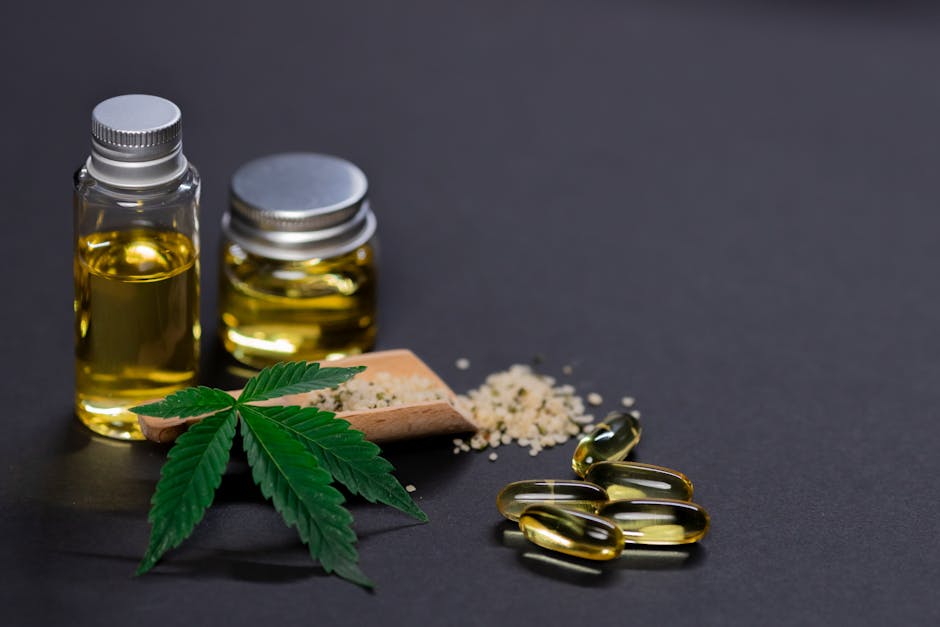
- Heavy Metals: Soil contaminated with lead, arsenic, or cadmium can lead to toxic residues in the final extract. Pesticides and Herbicides: Residues can accumulate in hemp biomass and concentrate during extraction. Microbial Testing: Ensures absence of harmful bacteria or molds.
Always cross-reference regulatory safety thresholds with lab tests. If these third-party COAs (Certificates of Analysis) are missing, outdated, or non-batch specific, be wary.
Extraction Methods: The Heart of Potency and Purity
Extraction method plays a pivotal role in determining the final quality of a CBD product. Let’s explore the most common approaches and how they affect cbd potency and cbd purity.
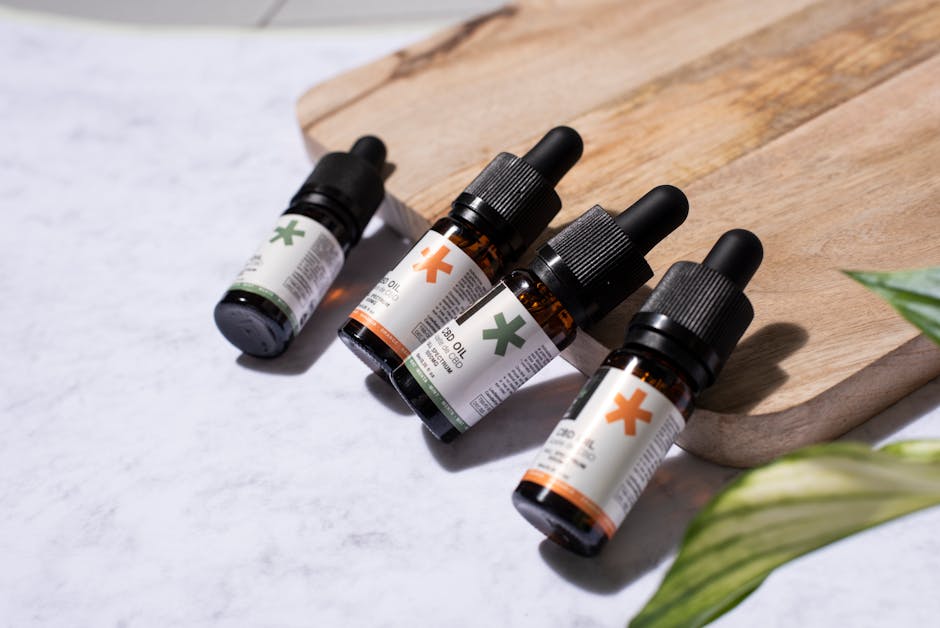
CO2 Extraction: The Gold Standard
CO2 extraction uses supercritical carbon dioxide to pull cannabinoids and terpenes from https://pembrokeshire-herald.com/144880/how-to-spot-high-quality-cbd-products-before-you-buy/ hemp biomass efficiently. It is widely considered the premium method for several reasons:
- Precise Tuning: Operators can adjust temperature and pressure to selectively extract desired compounds, optimizing cannabinoid profiles. Purity: CO2 is non-toxic and evaporates completely, leaving no solvent residue. Scalability: It’s suitable for both small-batch artisanal extraction and large-scale commercial production.
However, CO2 equipment is expensive, which can increase product cost. Brands leveraging this method usually highlight their CO2 extraction process on labels or websites.
Ethanol Extraction: Trade-offs and Considerations
Ethanol extraction uses grain alcohol to dissolve cannabinoids from hemp. It’s an older, simpler technique with pros and cons:
Feature Ethanol Extraction CO2 Extraction Solvent Residue Potential presence if not properly removed None Extraction Selectivity Less selective, can extract chlorophyll leading to bitter flavor & darker color Highly selective, purer cannabinoids Cost Lower equipment cost Higher equipment cost Batch Consistency Variable, dependent on process controls More consistentBecause ethanol can extract chlorophyll and other undesired compounds, additional refining steps like winterization are required to improve purity. Solvent removal must be validated by lab tests. Absence of such testing is a red flag I note.
Reading Third-Party Lab Results (COA PDFs) — Your Proof of Purity and Potency
Third-party Certificates of Analysis (COAs) are the most definitive way to verify a product’s claims of potency and purity. Here’s how to interpret COAs effectively:
What to Look For in a COA PDF
Batch-Specific Data: Check the batch number on the product matches the COA. Generic or outdated lab reports are meaningless. Cannabinoid Profile: These lists cannabinoids with their concentrations. For potency, focus on CBD content — usually expressed in mg/mL or mg/g and as a percentage. THC Levels: Legally, THC must be below 0.2% in the UK and many parts of Europe (0.3% in the US). Watch for confusing wording or numbers that flirt with thresholds. Terpene Profile: Optional but valuable for flavor and entourage effect insights. Residual Solvents: Labs should report solvent residues, especially ethanol or hydrocarbons. Ideally, none detected. Contaminants: Heavy metals, pesticides, microbes — all should be below safety limits.Issuu Reader for Easy Access
Many quality brands embed COA reports on their websites using Issuu or similar document viewers. This lets consumers interact with full lab reports easily without downloading files. As a consumer, I always appreciate when a brand offers transparent access via an Issuu reader embed or similar — it's a sign they stand behind their product.
Putting It All Together: What "More Pure and Potent Extract" Really Means
After analyzing the above factors, a "more pure and potent extract" essentially means:
- Higher CBD Potency: Verified by batch-specific lab results showing elevated levels of CBD per serving/unit. Better Purity: Product free of residual solvents, heavy metals, pesticides, and microbial contaminants — confirmed by reputable third-party labs. Transparent Hemp Sourcing: Clear disclosure of hemp origin, genetics, and cultivation practices that prioritize clean, sustainable growing. Superior Extraction Process: Preferably CO2 extraction providing selective, solvent-free recovery of cannabinoids and terpenes. Consistent Quality Control: Regular batch testing with accessible, up-to-date COAs published or embedded for customers.
If these criteria aren’t met, the claim of "more pure and potent" is often just marketing fluff. From my experience and notes, I immediately check THC numbers first, and if the company hides behind vague wording or fails to provide transparent third-party lab results, I abandon my cart.
Summary: Become a Savvy CBD Shopper
When a brand proclaims their hemp extract is "more pure and potent," demand proof:
- Check batch-specific third-party lab results (COAs) — explore cannabinoid potency and purity data. Look for details on hemp source transparency and farming conditions. Understand the extraction method used — CO2 extraction generally ensures higher purity with no solvent residue. Beware of outdated lab tests, confusing THC claims, and missing scores on contaminants.
Following these steps reduces the risk of being misled by empty marketing and helps you access truly effective, safe CBD extracts. In my personal approach, a product passes muster only if it offers transparent, verifiable data supporting its purity and potency claims.
Further Reading and Resources
- How to Read a CBD Certificate of Analysis (COA) Issuu Document Viewer for Lab Report Transparency NIH on CBD Uses and Safety