Photo credit: Brendan Sapp / Unsplash
Playing pickleball is a blast—fast-paced rallies, friendly competition, and a great workout. But for many players, especially those who’ve been in the game a few years (or a few decades), a nagging issue crops up: why does my shoulder hurt at night after pickleball but not during the game?
After all, during the match, the pain might be barely noticeable or even non-existent. Yet that shoulder ache or stiff, shooting pain appears after you hang up the paddle and settle in for the night. As a former newspaper health reporter turned dedicated Suncoast pickleball writer who’s heard plenty of injury stories from rec-leaguers and orthopaedists alike, I’m here to break down the key reasons behind those nighttime aches—and what you can do about them.
Overuse and Frequency: The Real Drivers of Shoulder Pain
One myth I always want to bust upfront: that a sudden, dramatic moment—like a wild overhead https://www.sarasotamagazine.com/advantagepoint/2026/08/pickleball-is-wrecking-everyone-s-shoulders smash gone wrong—causes shoulder pain. Sure, acute injuries happen, but more often, it’s the repeated stress on aging tissues that leads to trouble.

Think about your routine: you warm up for 8 to 10 minutes—yes, I count those seconds out loud on the courts—and then jump into drills and matches multiple days per week. Overuse, especially with insufficient recovery, slowly irritates the tendons and muscles around your shoulder.
- Frequent, repetitive swings, serves, and overhead shots stress your shoulder tendons. Microtears happen in the rotator cuff tendons, which don’t heal quickly without rest. This cumulative load triggers inflammation that isn't obvious during play but flares up later.
That’s why I always ask players, “What changed in the last two weeks?” Maybe you bumped your practice from twice a week to four, or added a new drill focusing on overhead serves. These incremental changes matter more than any single “bad hit.”
The Aging Shoulder: Why Tendons Adapt Slower
Your body is amazing at adapting to stress.
But as we age, tendons lose elasticity, blood flow decreases, and the ability to repair microdamage slows. That’s a big reason many players in their 40s, 50s, and beyond notice more shoulder complaints than their younger counterparts.
Factor Younger Shoulder Aging Shoulder Tendon Elasticity High, flexible Reduced, stiffer Blood Supply Ample, supports healing Reduced, slower recovery Load Tolerance Better tolerates sudden loads More prone to irritation from sudden stress Inflammatory Response Controlled and brief Prolonged irritation and painThis means you’re more likely to feel the effects of repetitive racket swings later—namely at night when the shoulder rests and inflammation settles in.
Rotator Cuff Irritation: The Crown Jewel of Night Pain
Rotator cuff tendons are the unsung heroes of shoulder stability and movement. When irritated, they cause classic symptoms including:
- Pickleball shoulder pain at night: Discomfort that awakens you or disrupts sleep. Pain reaching behind the back seatbelt: Difficulty or sharp pain when reaching behind your back, such as putting on a seatbelt or tucking in your shirt. Weakness or aching with overhead activities that often doesn’t show during play but manifests in rest.
Why does this happen at night? The answer lies in posture and circulation. Lying down shifts shoulder angles and reduces blood flow, allowing inflammatory chemicals trapped in the tendons to irritate pain sensors. During the game, adrenaline and muscle activation mask these sensations.
Tips for Managing Rotator Cuff Discomfort
Warm up properly: Don’t skip the first 8-10 minutes—this is crucial to prepare your tendons. Use light resistance band exercises: I always keep one in my paddle bag for last-minute warm-ups and cooldowns. Apply ice after play: Reduce inflammation by icing the shoulder for 15 minutes post-game. Consider holistic recovery tools: Many players swear by natural remedies, including Joy Organics organic CBD gummies, which might ease inflammation and promote restful sleep. Consult a physical therapist: Tailored rehab exercises can improve tendon health and shoulder mechanics.Elbow Pain Often Linked to Grip and Arm-Dominant Mechanics
If your shoulder isn’t the only complaint and your elbow hurts after pickleball, it’s often not a coincidence. Tight grip and dependence on arm-dominant swings increase strain not just on the elbow but also alter shoulder load patterns.
- Clamp down harder on the paddle? That can cause lateral elbow pain (tennis elbow) or medial elbow pain (golfer’s elbow). Using arm muscles too much instead of activating shoulder and core leads to compensatory shoulder irritation and fatigue. Improving grip relaxation and incorporating whole-body mechanics often relieve both elbow and shoulder discomfort.
Don’t blame the paddle alone. The story behind your pain is usually in how you use it—and how often.
Wrapping Up: Listening to Your Shoulder and Body
So, to sum it all up, pickleball shoulder pain at night is a warning sign from your rotator cuff tendons that they need more attention and recovery. It’s rarely due to a single dramatic incident but rather repeated microtrauma and slower healing with age. Night pain and difficulty reaching behind your back for your seatbelt are classic rotator cuff irritation symptoms that should prompt early management.
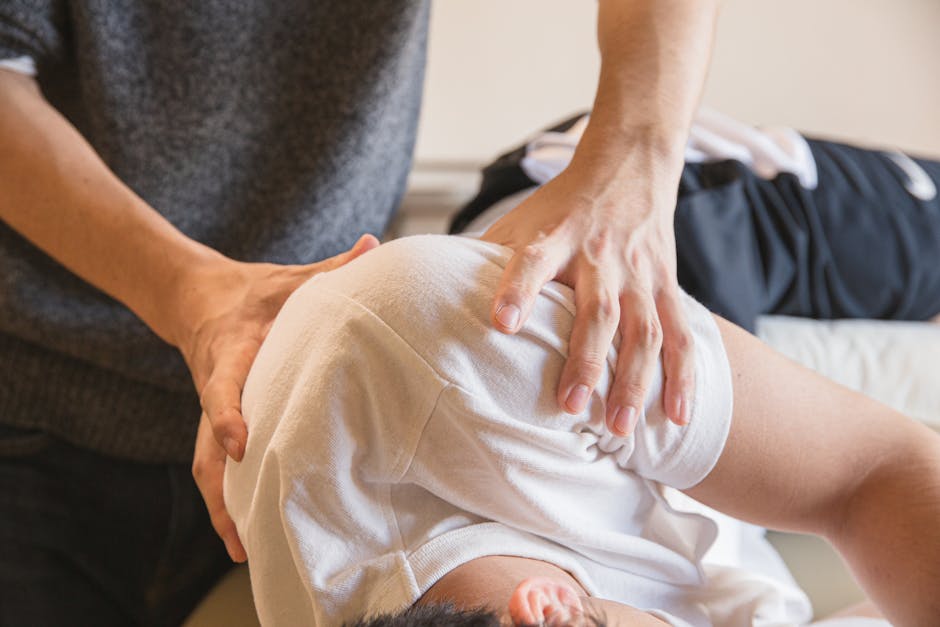
Remember, staying consistent with warm-ups, managing frequency, and exploring holistic options like Joy Organics organic CBD gummies for inflammation are smart moves. And, of course, mechanics matter: relaxing that grip, using your whole body, and not skipping those first crucial minutes of warm-up can protect your shoulder—and your game—for years to come.
If you’re enduring persistent discomfort, it could be time to chat with a physical therapist or orthopaedist who knows pickleball injuries well.
Until then, keep counting those warm-up minutes—and don’t forget to pack that resistance band!Photo credit: Brendan Sapp / Unsplash
```